Flappy Bird Game Ideas: 10 Variants Built on a Single Change
Ten flappy bird game ideas with copy-ready prompts, each changing gravity, pipes, skills, or players, plus fixes for unfair gaps.

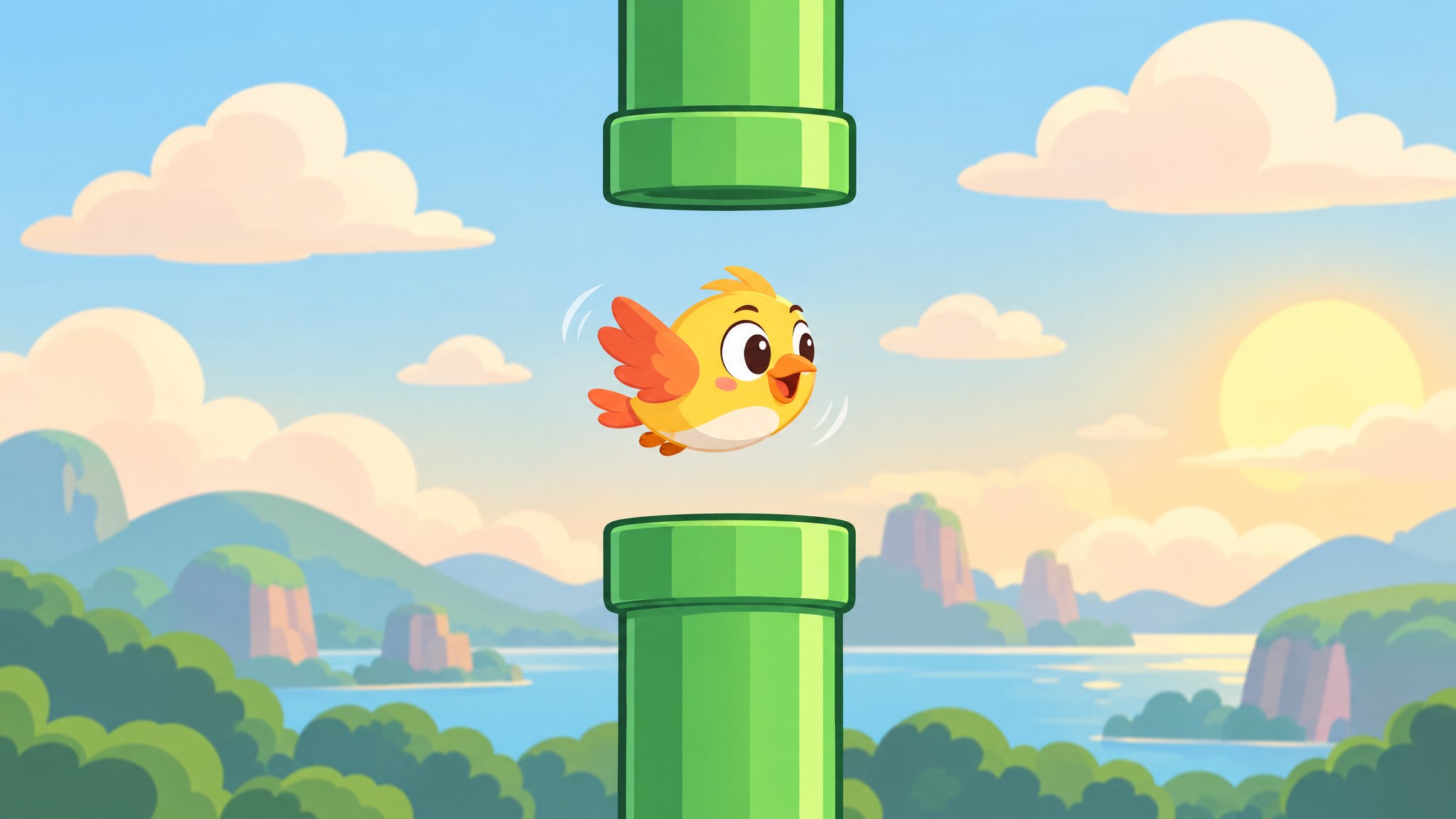
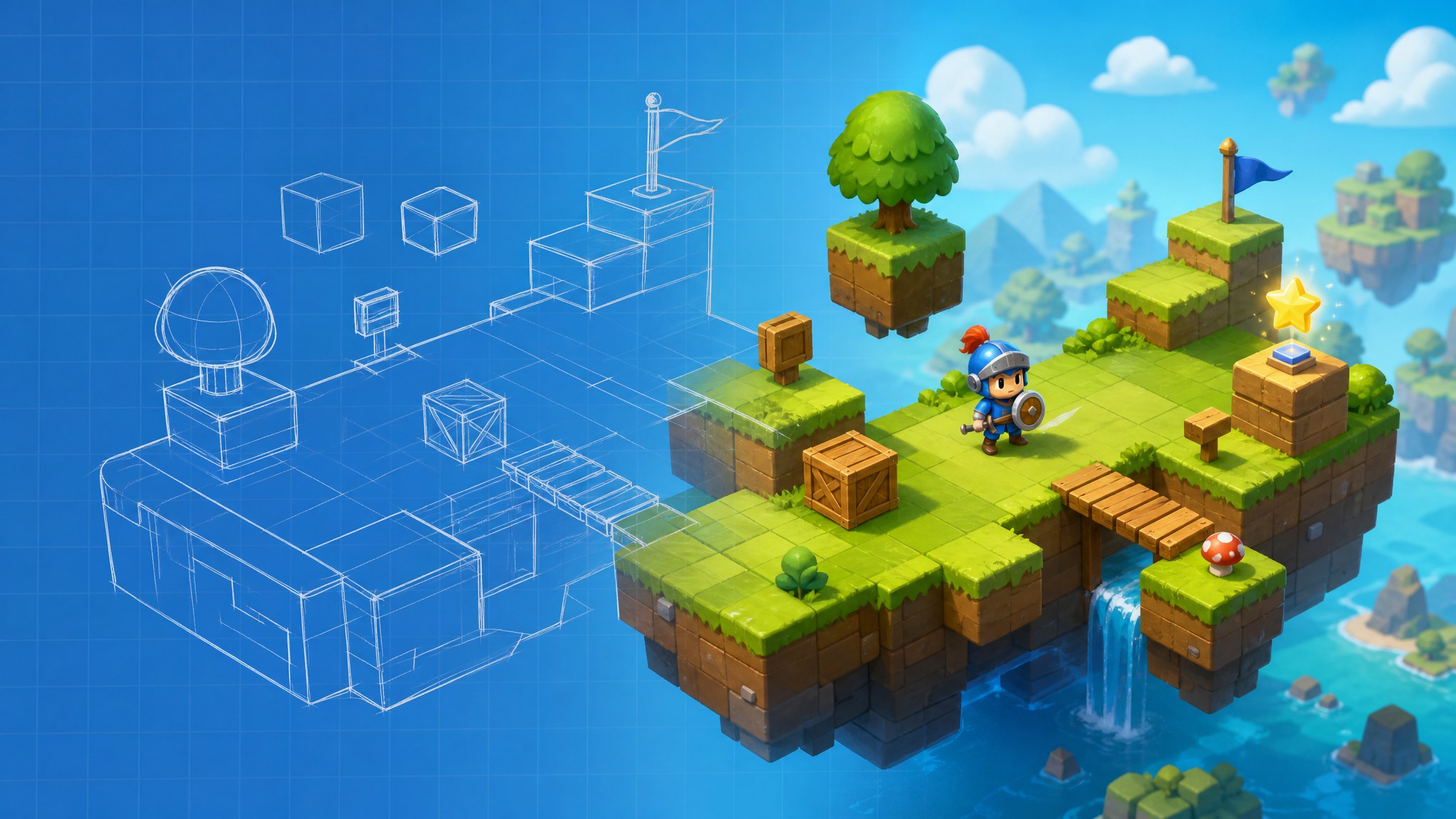
Flappy Bird runs on four rules and one button. Gravity pulls the bird down, a tap pushes it up, a pipe gap ends the run, and the score counts pipes. That's the whole machine, which is why flappy bird game ideas are so cheap to build with an AI game maker: change one rule, leave the rest alone, and the run feels different within ten seconds.
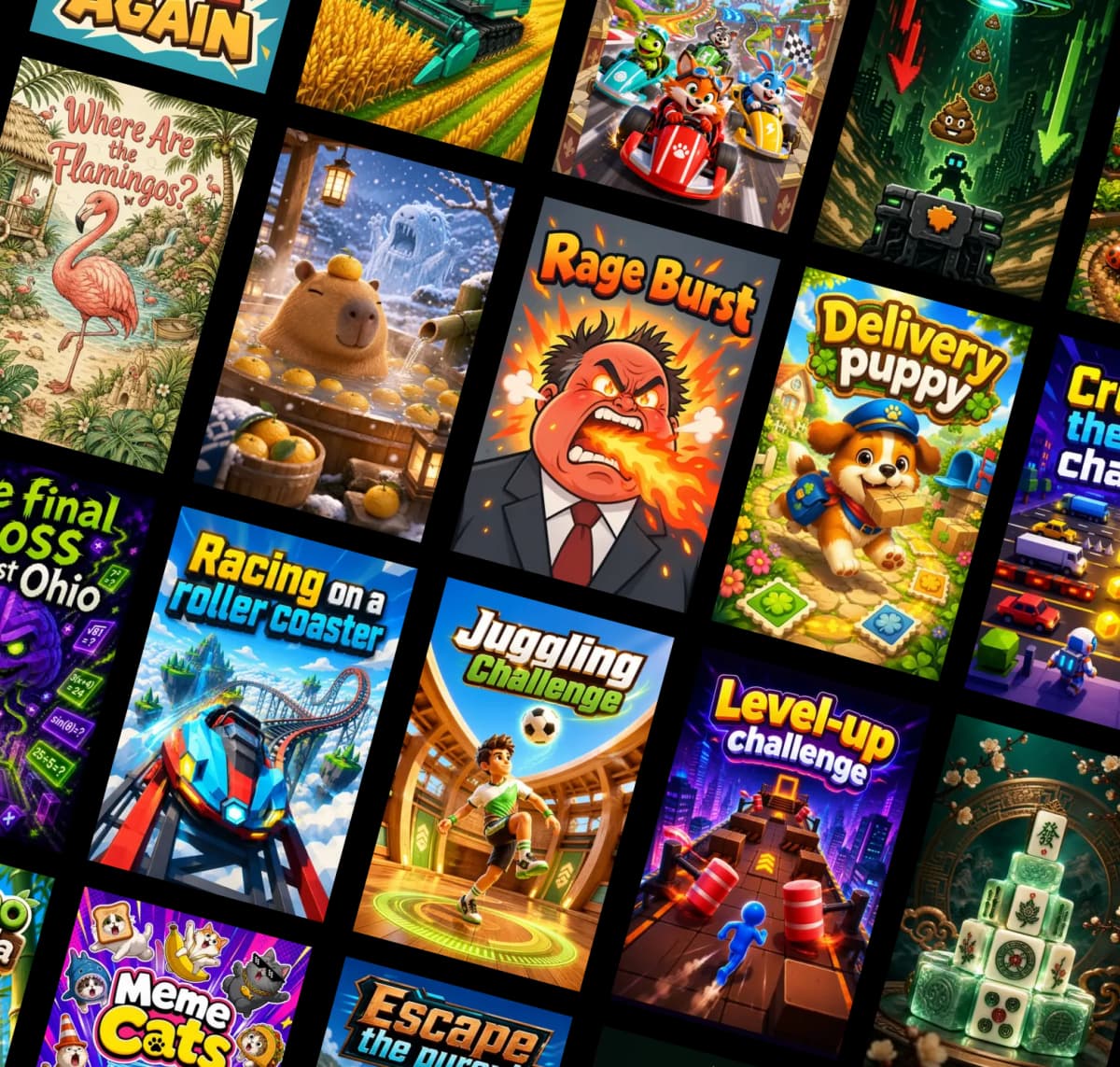
Ten flappy bird game ideas follow, sorted by the rule they break: gravity, pipes, skills, players. Each comes with a prompt you can paste and one line on what it rewrites. Start with one, since stacking three at once is how a first build turns to mush. Which one first? The one you'd actually play.
What a Flappy Bird prompt should change first
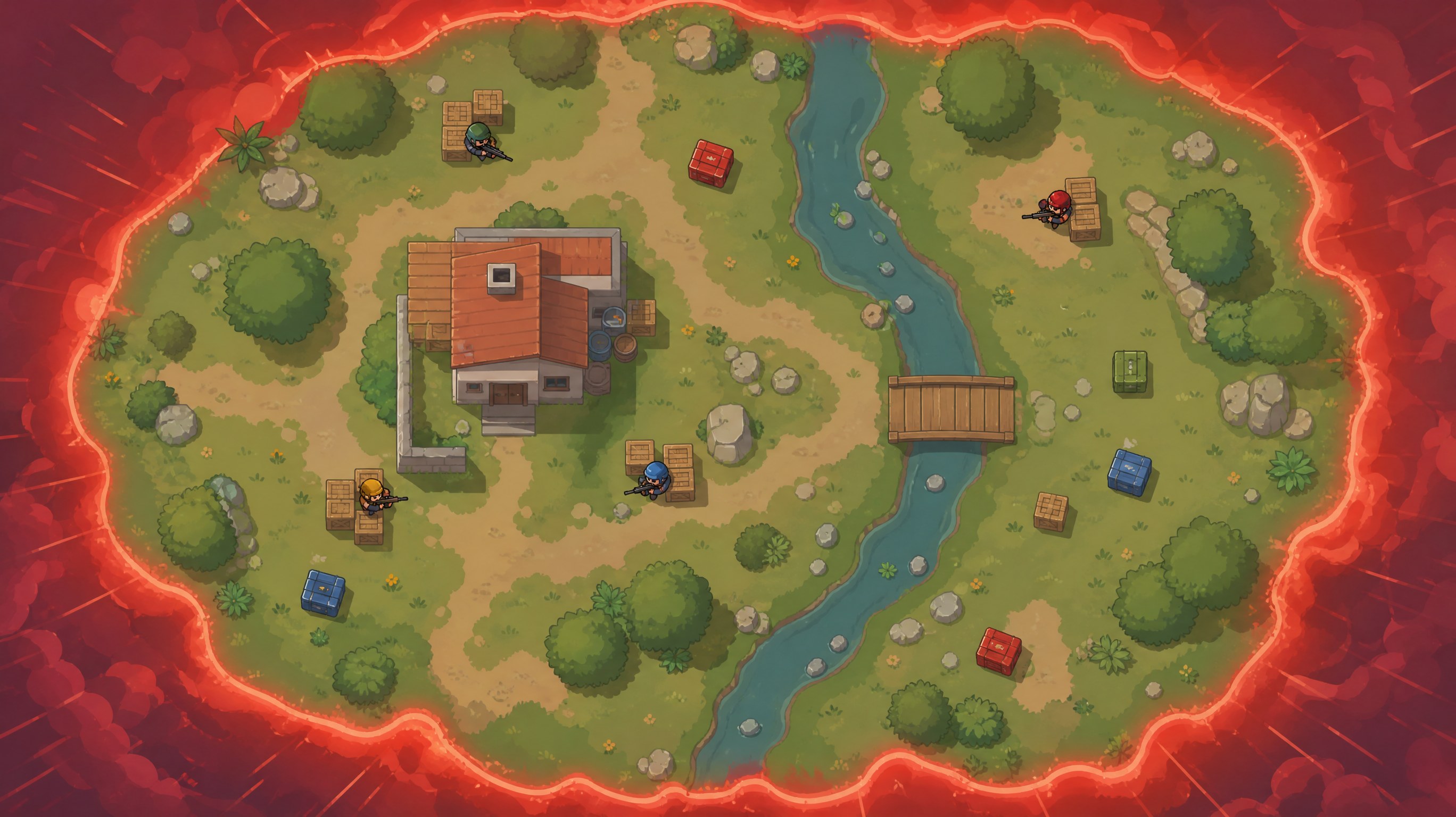
An AI game maker reads your description and writes the physics, the art, and the fail condition. Each of the flappy bird game ideas below touches one layer, because that's the layer you'll tune later.
Gravity and impulse come as a pair. Drop gravity without shrinking the tap and the bird climbs like a balloon. Shrink the tap without touching gravity and it can't clear a pipe. Change both in the same sentence, or you get a game that's broken rather than new.
We aren't affiliated with Dong Nguyen, dotGEARS, or the Flappy Bird Foundation, and none of these prompts rebuild the 2013 game. The trademark changed hands in 2024 and a fan group relaunched it without him (The Verge, IGN). These are original one-button games in the same genre.
Flappy Bird ideas that rewrite gravity and the tap
Three ways to change how the bird moves. The pipes don't move.
Moon base, one third gravity
Build a flappy bird style game set on a moon base. Gravity is about a third of normal and each tap gives a smaller push, so the bird floats in long arcs. Widen the pipe gaps slightly, and add a dust puff on every flap.
Rule it changes: gravity strength and flap impulse, both scaled down. The arc keeps its shape but takes longer, which stretches the timing window, so tighten the pipe spacing.
Hold to rise instead of tap to jump
Make a one-button flier where holding the screen adds lift and letting go drops the bird. No fixed jump impulse. Show a thin exhaust trail while the button is held, and keep the pipes drifting slowly.
Rule it changes: the input, from a fixed impulse to continuous thrust. Rhythmic tapping stops mattering. Nerve takes over, since every extra half second of lift is a decision.
Gravity flips every ten pipes
Create a flappy bird style game where gravity flips direction every ten pipes. After a flip the bird falls toward the ceiling, the pipes flip to hang down from it, and the ground stops being the thing that kills you.
Rule it changes: the direction of gravity, and with it which surface ends the run. This one's the hardest to make fair, since ten pipes is long enough to relearn the controls and short enough that the flip still lands as a shock.
Flappy Bird variants where the pipes stop standing still
Now the bird stays vanilla and the obstacle moves. Two of these play with the gap, the third with the pipe surface.
Gaps that slide up and down
Keep the classic flappy bird loop, but make every pipe gap slide up and down on its own rhythm. Some slide fast, some crawl. The pipe bodies stay still and only the gap moves inside them.
Rule it changes: obstacles go from fixed to moving, which turns a timing game into a tracking game. Keep the fast sliders out of the first twenty pipes. A player still learning the flap has no attention for a moving gap.
Pipe tops you can land on
Make pipe tops landable. If the bird touches the top edge from above it stands there instead of dying, and it can rest for a moment before the pipe sinks. Side hits still end the run.
Rule it changes: collision, from lethal contact to a walkable surface. Standing turns pipes into checkpoints, so a run breaks into short dashes instead of one long panic. It also hands the player a recovery move.
Gaps that close behind you
Make each pipe gap start wide and shrink over two seconds after the pipe enters the screen. Show the edges closing in, and give the player a short shimmer on the gap before it seals.
Rule it changes: the obstacle's job, from a wall you pass to a door on a timer. Hesitation becomes lethal, and the pace picks up without any change to the bird's speed.
Where skills fit in a Flappy Bird clone
Once movement and obstacles are settled, an ability softens the curve instead of raising it. Both give the player something to do after a bad flap.
One dash per run
Give the bird one dash per run. Double tap to lunge forward a short distance, with a cooldown bar in the corner. The dash can't pass through pipes, it only helps you recover from a bad flap.
Rule it changes: the input set, and how many mistakes a run can absorb. The no-phasing rule matters more than it looks. A dash that carries you through a pipe becomes a skip button, and the score stops meaning anything.
A feather that slows the world
Spawn a feather inside some pipe gaps. Grabbing it slows the world to half speed for two seconds and tints the screen. Feathers appear in the tighter gaps only.
Rule it changes: it adds a pickup, and with it a reason to aim at the harder line. Put the feather in a narrow gap and a greedy player picks a worse route on purpose. That's the whole design, and it costs a sentence.
Two-player Flappy Bird games built for one phone
Two-player modes are the direction these lists skip, and the easiest to test with someone next to you. Both run on one screen and one device.
Mirrored race on a split screen
Build a two-player split screen flappy bird race on one phone. The left player taps the left half of the screen, the right player the right half. Both birds fly through mirrored pipes, so a gap that's safe for one player is blocked for the other. First crash loses.
Rule it changes: player count, plus obstacle symmetry. Mirroring makes it zero-sum, so someone has to fly the ugly line.
Hand-off co-op
Make a two-player co-op flappy bird where control switches every ten pipes. The score is shared and one crash ends the run for both. Show the active player with a border color and a tap prompt.
Rule it changes: who owns the controls over time. Neither player can build rhythm, and the run dies at the handoff until both learn to leave the bird in a safe spot.
Why your Flappy Bird variant feels unfair
Most broken variants fail in one of three places, each with a prompt-shaped fix.
Gaps you can't reach. It shows up right after a physics change, when the gap keeps its old size, so ask for a ratio instead of a number: "set each pipe gap to twice the height the bird gains from one tap, and keep that ratio fixed for every pipe." A ratio survives the next tweak. A pixel value doesn't.
Deaths before contact. Reskinning swaps the art and leaves the old hitbox behind, so the bird clips a pipe it never touched, and the fix is to ask for "collision shapes slightly smaller than the visible sprite, following its outline." A perfect fit still feels unfair at speed.
Taps that vanish. A tap landing a frame before a crash often does nothing, and players read that as a dead button. Ask for input buffering: "queue a tap made just before landing so it applies on the first frame after."
If two of these show up together, rebuild from a clean prompt. Fixing physics on top of a wrong hitbox burns more prompts than starting over, in my experience.
Your next Flappy Bird build starts with one rule
Pick the idea you'd play, then work in this order.
- Open binkbink.ai/create, or tap Create in the app.
- Paste the prompt as written and generate the game.
- Play five runs before changing anything. Two runs won't tell you whether a gap is fair.
- Adjust one number, either gap size or tap strength, then regenerate.
- Share the link with one person and watch them play cold. Their first death tells you what to fix.
Ten ideas is more than one afternoon needs, since one build you can finish beats ten you abandoned halfway, and the second rule is easier to add once the first feels right.